Why one apartment appears in five listings: duplicates and an honest market view
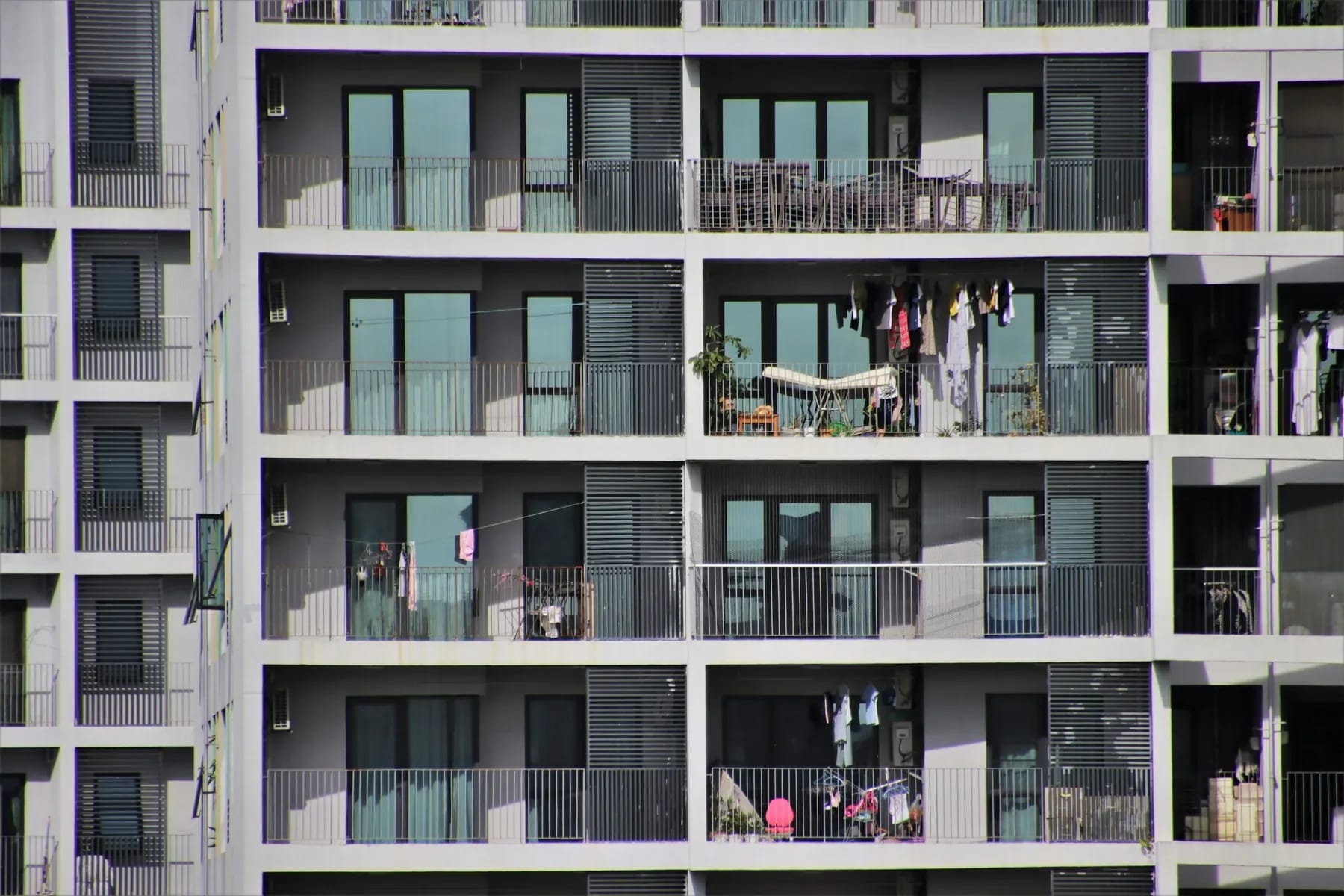
Anyone who has looked for an apartment in Tashkent has seen it: the same kitchen, the same view, the same area - in five listings at five different prices. This isn’t a glitch on the listing sites but how the market works: the owner and several agents sell the apartment, listings are republished to look fresh, and one apartment lives on several sites at once. Let’s look at where duplicates come from, why they distort the picture of the market, and how merging listings into properties turns noise into honest numbers.
Where duplicates come from
A duplicate isn’t necessarily a deception. Most often each listing has its own author and an understandable reason to exist.
- The owner listed the apartment themselves and then gave it to two or three agents as well.
- Each agent posts their own listing with their own photos, text and sometimes their own price.
- A listing is deleted and reposted so it lands at the top of the feed again.
- The same apartment is posted on several sites at once.
- An agency publishes a property from several of its employees’ accounts.
Republishing deserves a separate mention. For the seller it’s a way to “refresh” the listing, but for the buyer and for statistics it’s a trap: an apartment on sale for three months looks as if it was listed yesterday. We covered how to tell a new property from a republication during the morning check in the article on finding owners.
Why duplicates break the picture of the market
As long as listings are counted one by one, any figure about the market comes out skewed. The distortions pile up in three places.
Supply looks bigger than it is
If one apartment appears in five listings and the market is counted by listings, it gets counted five times. Buyers feel the choice is huge and sellers feel there are too many competitors. In reality there are noticeably fewer actual apartments than cards in the feed.
Days on market reset
A republished listing starts life over. Counted by the listing, an apartment that hasn’t sold for six months looks fresh. That’s why days on market can only be counted honestly by property - from the date the apartment first appeared on the market under any of its listings.
The price drifts
One apartment can have different prices in different listings: the owner asks one figure, an agent has added their commission, someone didn’t update the price after a cut. If every card is counted as a separate apartment, expensive and cheap duplicates pull the district median where the market never actually went.

How listings are merged into properties
Merging, or deduplication, answers one question: is this a new apartment or another listing of one we already know? The answer is sought in the features of the property itself, not in who posted it.
Merging a listing with a property
What happens to each new listing
Is the listing already known?Step 1
The same number on the same site continues the property’s history: the new price joins its history.
Find candidatesStep 2
Active properties in the same district with the same number of rooms, a similar area and a similar price.
Compare the descriptionStep 3
Listing texts are compared by matching wording: a retyped description is recognised even with edits.
Attach to the propertyMatch
The listing becomes another source for the property; its price and dates are kept in the shared history.
Create a new propertyNo match
If there is no similar property, the listing opens a new property with its own history from day one.
It matters what merging doesn’t do. Two identical apartments in one building - neighbouring two-room flats with a standard layout - stay separate properties even if their listings look alike. Renting and selling the same apartment are also separate properties: they are different deals at different prices. And merging doesn’t decide who the “real” seller is: it gathers all of the apartment’s listings together, and a person draws the conclusions.
When a property leaves the market
If one of an apartment’s listings is taken down while the others stay up, the property remains on sale: often it’s just an agent the owner turned down. A property counts as gone from the market when all of its listings are taken down. The date of that removal is the point from which days on market are counted - with the honest caveat that removal means a likely sale, not a confirmed deal.
Listings or properties: what’s the difference
Counting listings
A feed of cards
- One apartment counted as many times as it has listings
- Days on market reset with every republication
- The price median shifts with duplicates at different prices
- Price history is split across sites
Counting properties
The apartment market
- One apartment is one property, however many listings it has
- Days on market run from the first appearance on the market
- The median is calculated by apartment, not by card
- All prices from all sites in one history
That’s exactly why market figures without merging should be read with caution. The median price by district we published in the piece on prices in Tashkent is calculated by property after merging, not from raw listings.
What merging gives a realtor
For a realtor, a property with all its listings isn’t statistics but working information that would otherwise have to be pieced together bit by bit.
- The property’s price history: every cut and rise from every site in one feed.
- The date of the first listing: how long the apartment has really been for sale.
- Who else is selling: one seller’s listings are linked, so you can see whether it’s the owner or an agency.
- Freshness: a removed listing is flagged, so you don’t call about an apartment that has sold.
In the market mirror all of this is gathered on the property card. Before calling a seller, a realtor sees in a minute how long the apartment has been on the market, whether it has got cheaper and how many agents have already listed it - and talks from facts rather than in the dark. Sellers’ numbers aren’t given out: they are used only to link one seller’s listings together.
What duplicates mean for a seller
A seller assumes that the more agents list the apartment, the faster it will sell. In reality, five listings at different prices confuse the buyer: they don’t know which price is real and suspect the apartment just won’t sell. Agents compete on price and promises rather than work, and the apartment quickly becomes “the one that’s listed everywhere”.
The alternative is one responsible realtor, one price across all listings and a clear sales plan. We covered what should be in a contract with such a realtor in the article on the exclusive agreement.
How to spot a duplicate yourself
If you’re searching without a realtor, you can spot duplicates too - with attention instead of an algorithm.
Scroll the table sideways
| Sign | What it means | What to do |
|---|---|---|
| The same photos in different listings | What it meansSeveral sellers have listed the apartment | What to doCompare prices and terms, find out who is closest to the owner |
| The same area, floor and building, a different price | What it meansAn agent added commission or didn’t update the price | What to doAsk which price is current and what it includes |
| A “fresh” listing you’ve already seen | What it meansA republication: the apartment has been on sale for a while | What to doThat’s a bargaining argument, not a sign it’s new |
| The same text with small edits | What it meansThe description was copied from someone else’s listing | What to doAsk the seller about details that aren’t in the text |
The table is a hint for searching on your own. Similar listings in a new building may turn out to be different apartments with the same layout.
Found several listings of one apartment? Call whoever is closest to the owner and ask directly: how long has the apartment been for sale, which price is current and who else is selling it. Price differences between duplicates aren’t a reason to be offended but information: they show how much the seller is willing to give and how much intermediaries add.
The method’s honesty
Merging isn’t magic, and it has limits. If a seller has changed the description, area and price substantially, the listing may stay a separate property. If a building has many identical apartments, the algorithm has to be more careful not to merge neighbours. That’s why merging is tuned conservatively: if the evidence isn’t enough, the listing stays a separate property. Wrongly merged different apartments would distort the price history more than one extra duplicate.
The live figure is the number of active apartment sale properties in the Titul mirror after merging duplicates. The merging scheme is described in simplified form; match thresholds aren’t published and are tuned.