New build or resale in Tashkent: how to choose in 2026
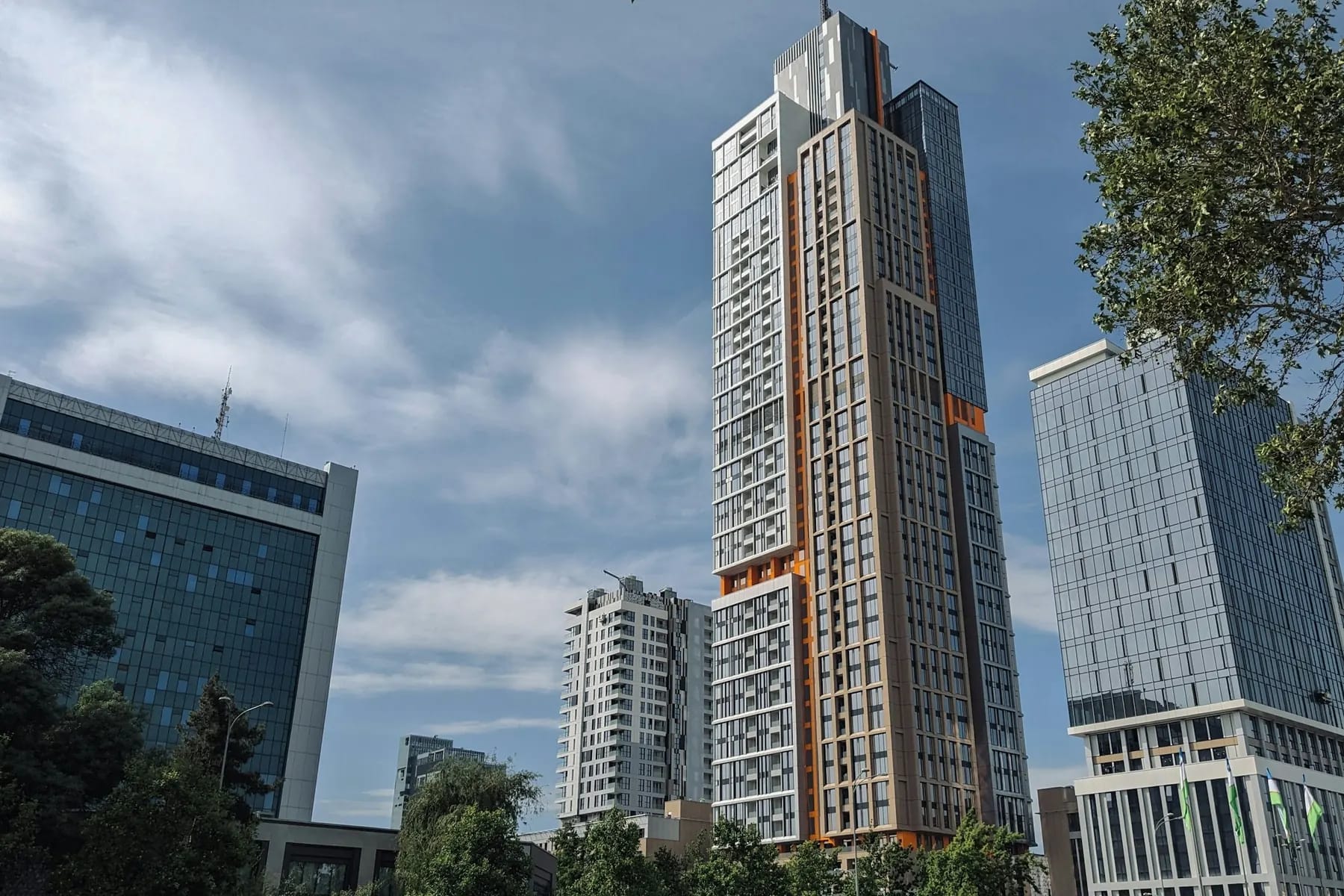
The “new build or resale” debate in Tashkent is usually conducted on feelings: “everything is new in a new building”, “everything is close in an old district”. In reality it’s a choice between two sets of risks and costs, and the right answer depends on when you need to move, where the money comes from and how much uncertainty you’re willing to tolerate. Let’s go through both options using the same criteria.
In short: you’re choosing a risk, not a building
With a new build the main risk is time and the developer: will the building be completed on time, can ownership be registered, will the finished building match what was promised. With resale the main risk is the apartment’s past: documents, owners, alterations, the state of the walls and building systems. Both risks can be managed, but they are checked differently, and each needs its own list of questions.
The second difference is money over time. New builds are often bought with a developer instalment plan and paid in parts while construction goes on; resale is more often paid in full at the deal, with your own money or a mortgage. So comparing the options by price per metre alone means comparing different things.
A comparison using the same criteria
Scroll the table sideways
| Criterion | New build | Resale |
|---|---|---|
| When you can move in | New buildAfter completion and finishing | ResaleAlmost immediately after the deal |
| How to pay | New buildOften a developer instalment plan or a mortgage | ResaleMore often in full at the deal, own funds or a mortgage |
| Main risk | New buildCompletion dates and the developer’s reliability | ResaleDocuments, owners, the apartment’s history |
| Renovation | New buildFinishing needed - partial to full | ResaleDepends on condition: cosmetic to major |
| Paperwork | New buildA contract with the developer, ownership after completion | ResaleA contract with the owner at a notary |
| Building and neighbours | New buildNew utility networks, neighbours still renovating | ResaleYou can see the building and neighbours right away |
| Infrastructure | New buildSome of it promised and still being built | ResaleAlready there - and visible on a walk |
| Bargaining | New buildDeveloper discounts and promotions, instalment terms | ResaleClassic bargaining with the owner |
The comparison is general: a particular developer or a particular apartment can differ from the typical picture in either direction.
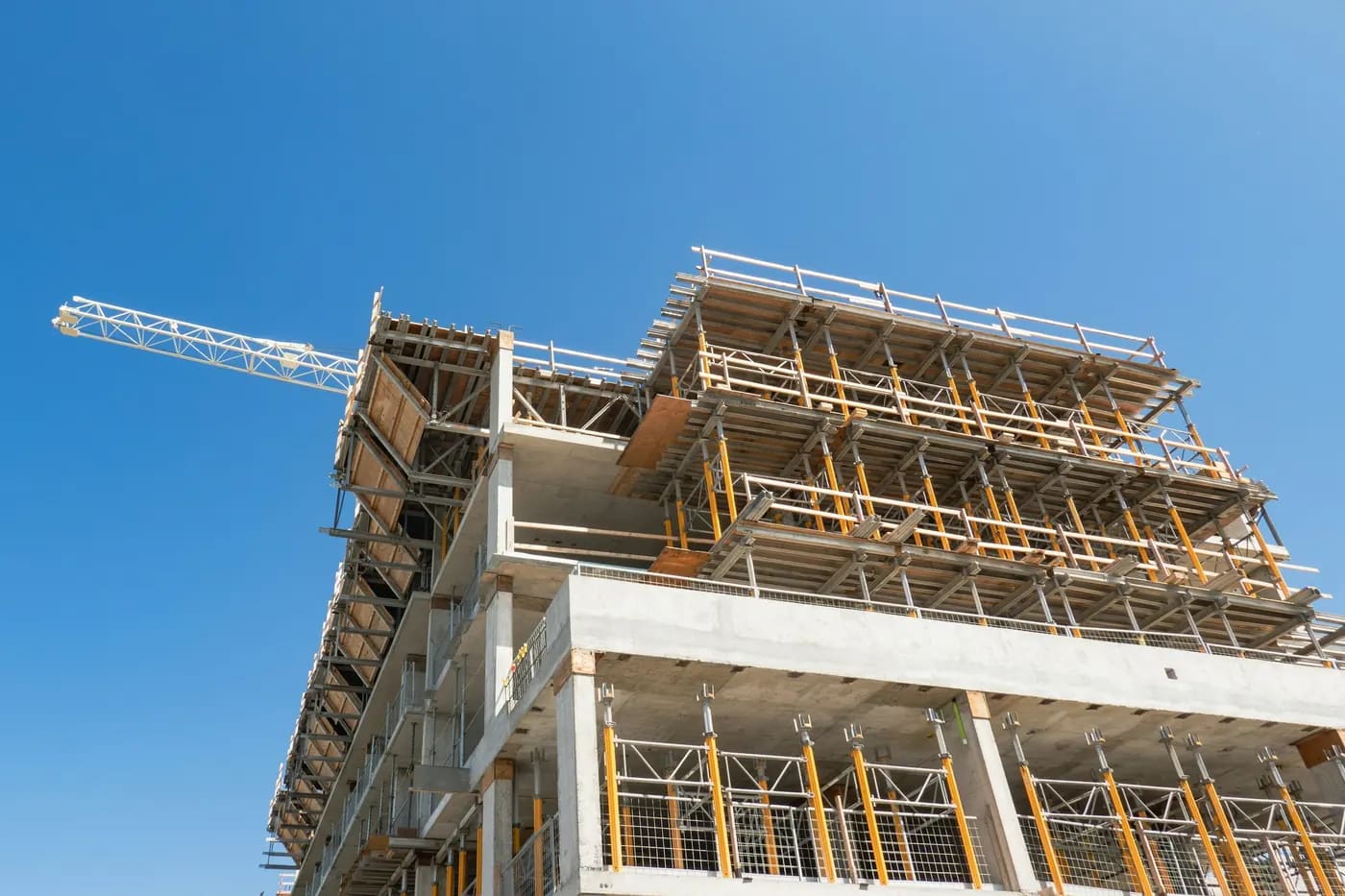
New build: what to check
Buying an apartment in a building under construction, you are buying a promise. So you need to check who is making the promise and how it is written down.
- The developer: which buildings they have completed and whether on time, how residents live in their past projects.
- Construction stage: foundation pit, frame or nearly finished - each stage has a different risk and price.
- The contract: what exactly you’re buying, the payment schedule, penalties for delays on both sides.
- The completion date and the date when you can register ownership of the apartment.
- The apartment’s condition on handover: shell, rough finish or turnkey - and what that means with this developer.
- Infrastructure: what already exists nearby and what exists only in a rendering.
Questions to ask the developer
In the sales office people talk about layouts, views and promotions. It’s more useful to ask questions whose answers you can later check against the contract.
- What construction documents exist, and can I see them?
- What completion date is in the contract, and what happens if it’s moved?
- In what condition is the apartment handed over, and what exactly does the finishing include?
- Can I exit the contract, and on what terms is the money returned?
- Does the price or schedule change if a payment is a few days late?
- When and how is ownership registered after completion?
If a question is answered with “that’s standard, don’t worry”, ask to see the contract clause. A sales manager’s verbal promises won’t help in a dispute; a contract clause will.
Resale: what to check
A ready apartment can be seen, touched and checked. That advantage only works if you use it: view the apartment more than once, at different times of day, ask the seller awkward questions and don’t be shy about opening the cupboard under the sink or the fuse box in the hall. Anything you didn’t see before the deal becomes your problem and your expense afterwards.
- Documents and owners: who has the right to sell, whether there are bans, who is registered there.
- Alterations: whether they are registered and whether the apartment matches the documents.
- Building systems: wiring, pipes, heating, windows - the most expensive things to replace.
- The building: year built, the state of the entrance and roof, the lift, the neighbours.
- Listing history: how long the apartment has been for sale and how the price has changed.
We collected a detailed route for checking a ready apartment - from budget to registration - in the buyer’s step-by-step plan.
Money: price per metre isn’t the whole price
Price per metre is a convenient common measure, and the city median helps you understand the order of magnitude. But to choose between two options you need the full cost of ownership on the day you move in.
What to add to a new build’s price
- Finishing and furniture - often a noticeable share of the apartment’s cost.
- Rent or other housing during construction and renovation.
- The time value of money: instalment payments start long before you move in.
What to add to a resale apartment’s price
- Renovation - from cosmetic to replacing building systems, depending on condition.
- Arranging the deal at a notary and registration.
- The realtor’s fee, if you work with one.
Realtors compare options with the market through a valuation by comparable properties: you can see how far a specific apartment’s price differs from the benchmark for similar apartments in the same district, and what the typical price of similar apartments is.
Instalments and mortgages change the comparison
If part of the money is borrowed, compare payments and terms rather than prices. A developer instalment plan is convenient because it doesn’t require a bank, but every developer’s terms are their own, and they’re written in the contract, not the advert. A mortgage is more often available for ready housing, but the bank checks both the borrower and the apartment, which means time and document requirements. We covered how mortgage programmes work and what a bank looks at in a property in the article on mortgages.
What suits whom
A new build usually suits you if
- The move isn’t urgent and you have somewhere to live during construction and renovation.
- It’s convenient to pay in parts on the developer’s schedule.
- You want to do the layout and renovation to your own taste from scratch.
Resale usually suits you if
- You need to move in within the coming months.
- An established district matters: school, work, relatives nearby.
- You want to see the building, the neighbours and the courtyard before buying, not in a rendering.
A decision in five steps
How to choose between a new build and resale
The order of the decision
Name your move-in deadlineBuyer
If you’ll have nowhere to live in six months, waiting for completion is a separate cost and risk.
Pin down the source of moneyBuyer, bank
A developer instalment plan, a mortgage, your own funds - this determines which options are available at all.
Work out the full cost of both optionsBuyer
Price plus finishing and waiting for a new build; price plus renovation for resale.
Make a shortlist: three plus threeBuyer, realtor
Three new builds and three ready apartments in one district and budget.
Compare in one table and against the marketBuyer, realtor
The criteria from this article plus price per metre against comparable properties in the district.
If you work with a realtor, ask them to run one request covering both types of housing: budget, district, rooms, move-in date. Finding options on the market for such a request shows both new builds and ready apartments, and comparing them becomes easier than keeping two separate searches in your head.
The live figure is the median asking price for active listings in the Titul mirror, not a transaction price. The comparison of options in the article is general; check a particular developer’s terms and a particular apartment’s condition separately.