Renovating before selling an apartment: when it pays off
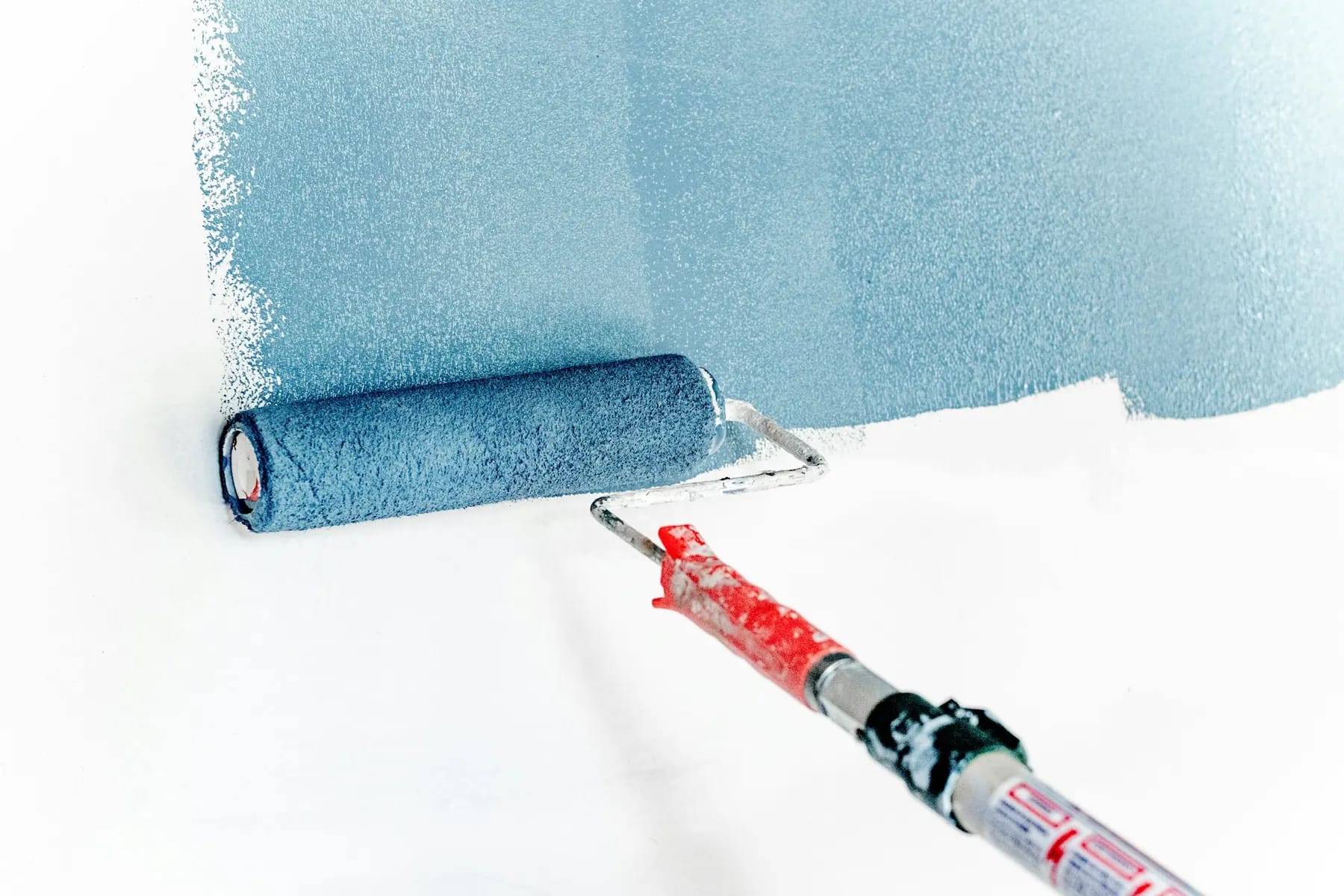
“Maybe we should renovate first and then sell?” is a question almost every seller of an older apartment asks. It seems obvious that a renovated apartment is worth more. But whether it’s worth more by enough to cover the money, time and nerves spent on the renovation is a completely different question. Sometimes renovation really does help sell faster and for more, and sometimes the seller puts in money that never comes back. Let’s look at how to make this decision on market facts rather than gut feeling.
The main question isn’t “more expensive?” but “will it pay off?”
A renovated apartment almost always looks more attractive. But a buyer pays not for what the seller spent but for what they think the apartment is worth. If the renovation cost one amount and the price rose by less, the seller lost money, even if they sold for more than they could have without it.
Time adds to the direct costs. While renovation is under way the apartment isn’t on sale, and the seller often pays rent elsewhere, utilities and perhaps a mortgage. Add the risk: the work drags on, the contractor lets you down, buyers don’t like the result. So the right question is: how much extra is the market in this district and segment willing to pay for a renovated apartment - and is that more than the full cost of the renovation, time included?
Three levels of investment
“Renovation” is too broad a word. Between a thorough clean and replacing all the utilities there’s a huge difference, both in money and in how it affects the sale.
Scroll the table sideways
| Level | What’s included | When it makes sense |
|---|---|---|
| Tidying and small fixes | What’s includedCleaning, minor repairs, lighting, fixing what’s broken | When it makes senseAlmost always: cheap and quick |
| Cosmetic work | What’s includedPainting walls, replacing skirting, light fittings, taps | When it makes senseIf the apartment looks neglected but the basics are sound |
| Major renovation | What’s includedElectrics, plumbing, floors, windows, alterations | When it makes senseRarely: only if the market clearly pays extra for it in the segment |
Costs and timelines depend on the apartment and the contractors, so they aren’t in the table. Compare the levels with how much the market in your district pays extra for condition.
The first level almost always pays off: it costs nothing and changes the impression at a viewing a lot. How to prepare an apartment on no budget is covered in detail in our article on preparing for viewings. With the second and third levels, everything depends on the market.
How to check payback on the market
The answer to “will the renovation pay off” lies in the listings in your district. Find similar apartments - the same district, building type, rooms and area - and split them into two groups: in good condition and in need of work. The difference in price per square metre between the groups is how much the market is willing to pay for condition. The city median is a useful reference too:
The city figure is only a start: the gap between renovated and unrenovated apartments depends heavily on the district and segment. In some places buyers will pay noticeably more for a ready apartment; in others almost everyone buys to redo it themselves. A benchmark based on comparable properties helps gather comparables and see where your apartment sits relative to the market. How to value an apartment against comparables in general is in our step-by-step valuation article.
How to decide whether to renovate before selling
Five steps on district data
Comparables with and without renovationStep 1
Find similar apartments in the district in good condition and needing work - and their price per m².
The price gapStep 2
How much extra the market is willing to pay for condition in your segment - on the facts, not on feel.
Budget and timelineStep 3
What the renovation costs and how many weeks the apartment won’t be on sale.
ComparisonStep 4
The price gap against the budget, the time and the risk buyers won’t like the result.
DecisionStep 5
Major renovation, cosmetic work, small fixes only or sell as is - with the reasons written down.
The buyer will redo it anyway
Even if renovation pays off on paper, there’s also the buyer’s taste. Many buyers plan to renovate to their own liking, and the seller’s expensive designer renovation isn’t a plus for them but something they’ll have to rip out. This is especially true of bold choices: coloured walls, unusual tiles, a non-standard layout.
Designer renovation
A lot invested, but to one person’s taste
- Bright colours and unusual materials
- The seller likes it, but not every buyer does
- The buyer mentally deducts the cost of redoing it
- The seller gets only part of the money back
For a sale risky
Neutral cosmetic work
Light, clean, nothing extra
- Light walls, simple materials
- Suits most buyers
- The apartment looks cared for in photos and in person
- Costs are small and predictable
For a sale safer
If renovation is needed after all, the rule is simple: neutral, light and good quality in the basics. The buyer should see a clean foundation onto which they can easily “place” their own furniture and ideas.
It’s also worth thinking about who buys in your segment. A young family moving in straight away values a ready apartment and often isn’t prepared to live on a building site. An investor who lets apartments looks at the price and will renovate for tenants to their own standards. A buyer of expensive housing almost always wants to do everything themselves. Understanding who your likely buyer is points to the answer better than any general rule.
Time is money too
Renovation takes weeks and often months. All that time the apartment isn’t on sale, and the market can change: new competitors appear, a season of demand gives way to a lull. The time the apartment spends on the market after renovation has to be added to the time the renovation itself takes.
- Allow a margin: renovation almost always takes longer than the contractor promises.
- Count the costs during renovation: rent elsewhere, utilities, loan payments.
- Consider the season: starting renovation just before a period of high demand is risky.
- Remember that renovation almost always just delays an urgent sale.
If the seller has decided to renovate anyway, it’s sensible to start with cosmetic work and get on the market sooner rather than wait for a perfect result. What shortens the time to sell is covered in our article on selling an apartment fast.
When renovation before a sale isn’t needed
- Comparable apartments with and without renovation in the district cost almost the same per m².
- Buyers in the segment are mostly investors who will renovate for letting.
- The apartment needs its utilities replaced - the buyer will want to control that themselves.
- You need to sell quickly, and renovation would take months.
- The seller doesn’t have money for renovation and plans to borrow it.
- The renovation is only “to make it look nice”, while comparables without it are selling normally.
Alternatives to renovation
If renovation doesn’t pay off, that doesn’t mean the apartment has to be listed as is. There are ways to show it at its best without big spending.
- An honest price that accounts for condition: the buyer sees the renovation is already “deducted”.
- Good photos and careful preparation for viewings - these are free.
- A rough renovation estimate from a contractor: the buyer understands what redoing it will cost.
- An emphasis on strengths: the district, the view, the layout, the building.
It’s convenient to show the price of an unrenovated apartment next to comparables in the same condition. The market mirror helps find and compare them: it shows how long similar apartments have been on sale and whether their prices have been cut.
The live figure is the median asking price per m² for apartments for sale in the Titul mirror; these are listing prices, not transaction prices. The effect of renovation on price differs by district - check it on comparable properties.