How to check a developer in Uzbekistan before buying a new-build
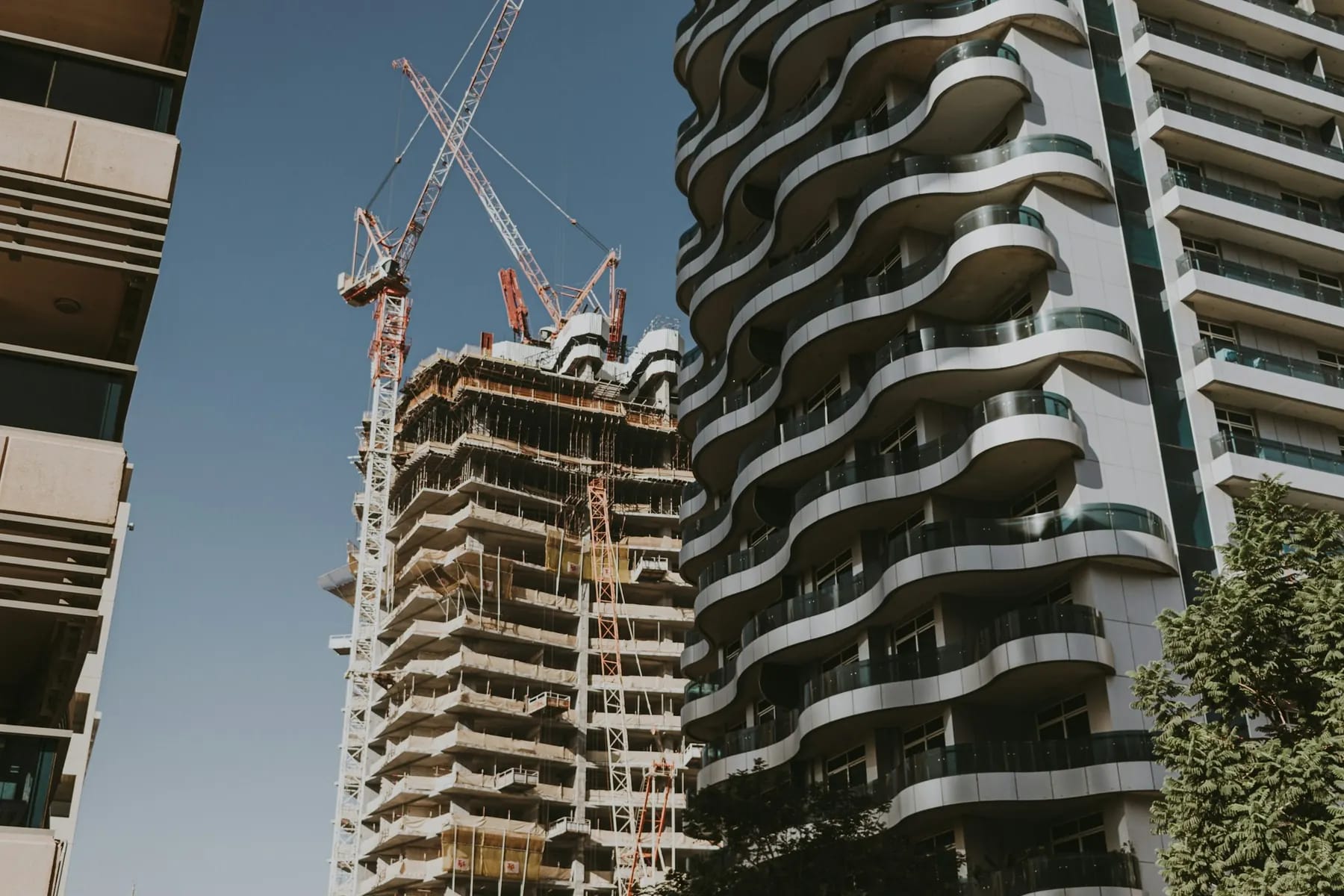
A new-build buyer chooses the layout, the floor and the view, but they make the main choice earlier - when they decide whom to trust with money for an apartment that doesn’t exist yet. The developer determines whether the building is delivered on time, whether it matches the picture in the advertising and whether residents can register ownership without years of hassle. Let’s look at how to check a developer in Uzbekistan before signing: the company, the project documents, past buildings, the contract itself and the site in person.
Why checking the developer matters more than the layout
A resale apartment can be seen, touched and checked against documents. An apartment in a building under construction exists only on paper, and the buyer pays for a promise. If something goes wrong with the developer, the best layout won’t help: deadlines slip, construction stalls, quality falls short of expectations and registering ownership drags on.
The good news is that many risks are visible in advance. You don’t need to guess them: it’s enough to ask the right questions, request documents and look at what the developer has already built. If the buyer is still choosing between a new-build and resale, start with a comparison of the two options: it covers the money, timelines and risks of each path.
The company: who is behind the project
The first thing to find out is which legal entity is actually selling the apartment. The brand of the residential complex and the company you sign the contract with are often different. The contract is made not with a signboard but with a specific organisation, and that’s what needs checking.
- The company’s full name, tax ID and address - check them in the contract and the project documents.
- How long the company has been registered and whether it was set up just for this one project.
- Who the founders and managers are, and whether they’re linked to other developers and their buildings.
- Whether there’s public information about court disputes with buyers and contractors.
- Which buildings the company or its founders have already delivered, and where they are.
A company set up six months ago for a single project isn’t necessarily a bad sign, but it’s a reason to look more closely at the other points: documents, financing and the experience of the people behind it.
Project documents
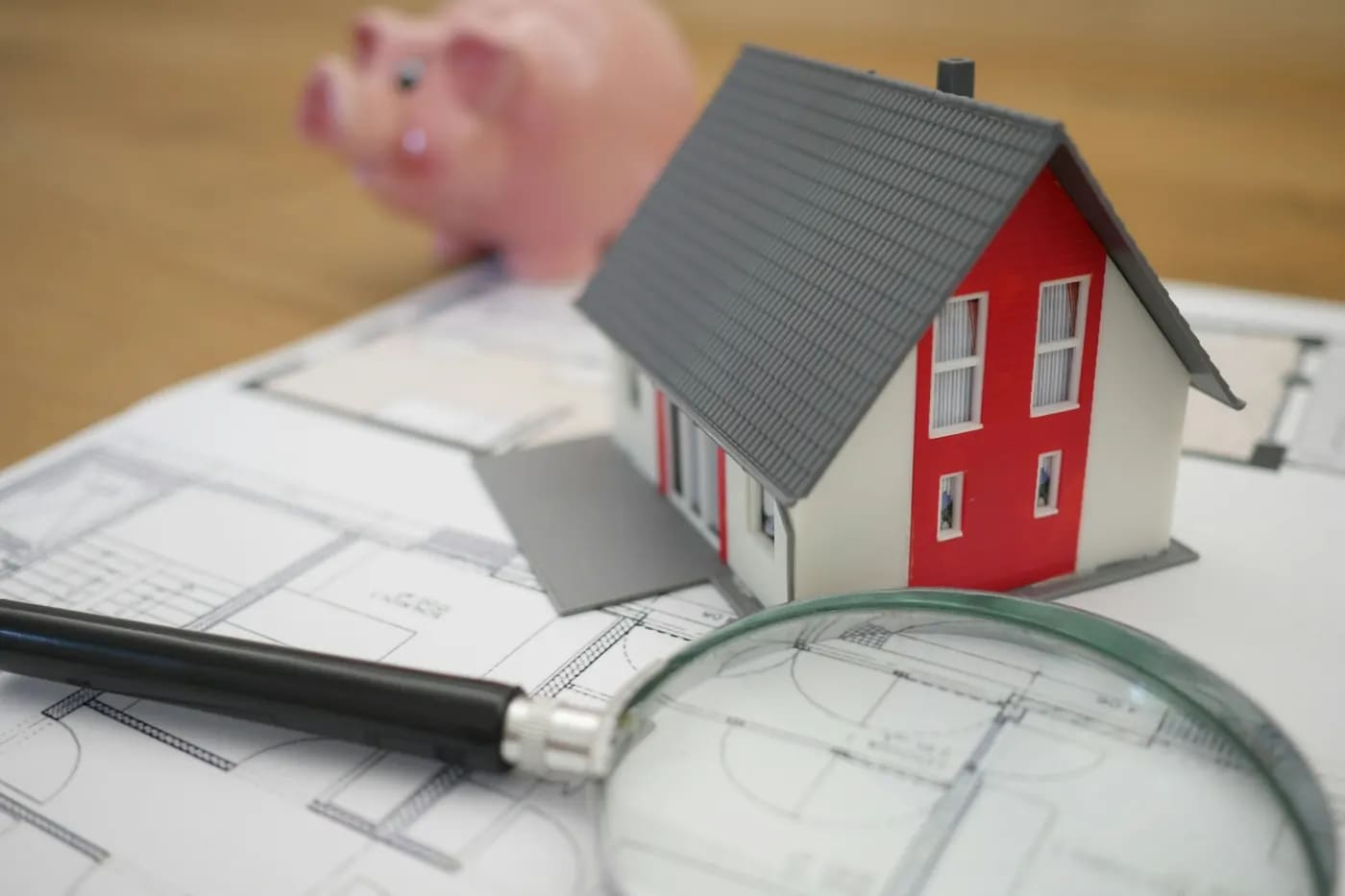
A conscientious developer shows the project documents without persuasion: it’s part of working with buyers. If a request to see the permit is met with “that’s not necessary, everyone buys like this”, that is already an answer.
Scroll the table sideways
| Document | What it confirms | Red flag |
|---|---|---|
| Rights to the land plot | What it confirmsThat the developer is entitled to build on this land | Red flagDocuments in someone else’s name or “being processed” |
| Building permit | What it confirmsThat the project is approved and construction is legal | Red flagNo permit, or one for a different building |
| Project documentation | What it confirmsNumber of floors, layouts, deadlines, landscaping | Red flagDiscrepancies with the advertising and the model |
| Company incorporation documents | What it confirmsWho is selling and who is liable under the contract | Red flagThe seller isn’t the company named in the permit |
| A sample contract | What it confirmsThe terms before signing, not on payment day | Red flagThe contract is shown only after a prepayment |
The list is indicative: the exact set of documents depends on the project and the form of contract. Check with a lawyer what the developer must provide in your case.
Past buildings: the best forecast
How the developer will build this building is best shown by how they built the previous ones. Visit at least one delivered building and look at it through the eyes of a resident, not a buyer.
- Whether the building was delivered on time and by how much the deadline slipped, if it did.
- Whether the building matches what was promised: facade, courtyard, parking, lifts.
- What the entrances and facade look like a few years after delivery.
- Whether residents have registered ownership and how long it took.
- What residents say about the developer - talk to two or three people at the entrance.
A conversation with residents often tells you more than any document: they’ll describe how the developer dealt with problems after delivery and whether it honoured its warranty obligations. If the developer hasn’t delivered a single building yet, ask who in its team has built before and which buildings - and check those the same way.
The contract: what should worry you
Even a reliable developer may offer a contract that mainly protects itself. Read the contract before paying any money and pay attention to what happens if something doesn’t go to plan.
A risky contract
Obligations mostly on the buyer
- A vague delivery date: “approximately”, “when ready”
- No developer liability for delays
- Area and price can change without the buyer’s consent
- Termination only with heavy losses for the buyer
Who carries the risk the buyer
A transparent contract
Obligations on both sides
- A specific delivery date and a procedure for moving it
- Developer liability for delays
- A procedure for recalculation if the area changes
- Clear termination terms for both sides
Who carries the risk shared
If the apartment is bought on a developer’s instalment plan, the payment schedule and the consequences of late payment are added to these points. We covered them in detail in our article on developer instalments.
The site in person
Documents show that construction is permitted; the site shows whether it’s actually happening. A site visit takes an hour and gives a picture no brochure can.
How to check a construction site yourself
The order of a site visit
UnannouncedA weekday
Go on your own, not on an organised tour: that way you see the normal pace of work.
People and machineryOn site
Whether crews are working, whether there’s machinery, whether the build has moved since your last visit.
Compare with the rendersFacade and courtyard
Whether the number of floors, materials and landscaping match the advertising.
Neighbours and surroundingsAround it
Roads, schools, noise, other construction nearby - things the brochure doesn’t show.
A second visitA month later
Photograph the site from the same spot and compare: the pace shows better than any promise.
After the visit the buyer usually has questions for the sales office. Ask them in writing so the answers stay on record, and pay attention not only to the content but to the willingness to answer:
- What stage construction is at now and what delivery date is in the documents, not the advertising.
- How many apartments in the building are already sold and whether terms are changing for new buyers.
- Who will manage the building after delivery and how utility connections are arranged.
- How and within what time the buyer can register ownership after the building is delivered.
- What happens to the buyer’s money if the delivery date slips.
Evasive answers to simple questions are as much a signal as missing documents: a developer with nothing to hide finds it easier to answer directly.
Price versus the market
The final check is the price. A price per square metre that’s too low compared with neighbouring new-builds and resale in the district is a reason to ask what makes it so. Sometimes it’s an honest early-stage discount, sometimes a way to raise money fast. The city benchmark for apartments for sale looks like this:
For a specific project, comparing with neighbouring buildings of the same class matters more. The market mirror provides it: which apartments nearby are for sale, at what price per m² and for how long. And a benchmark based on comparable properties shows how far a specific apartment’s price deviates from the district. Typical buyer mistakes, including with new-builds, are covered in our article on seven buyer mistakes.
The live figure is the median asking price per m² for apartments for sale in the Titul mirror; these are listing prices, not transaction prices. The article doesn’t rate specific developers and isn’t legal advice.