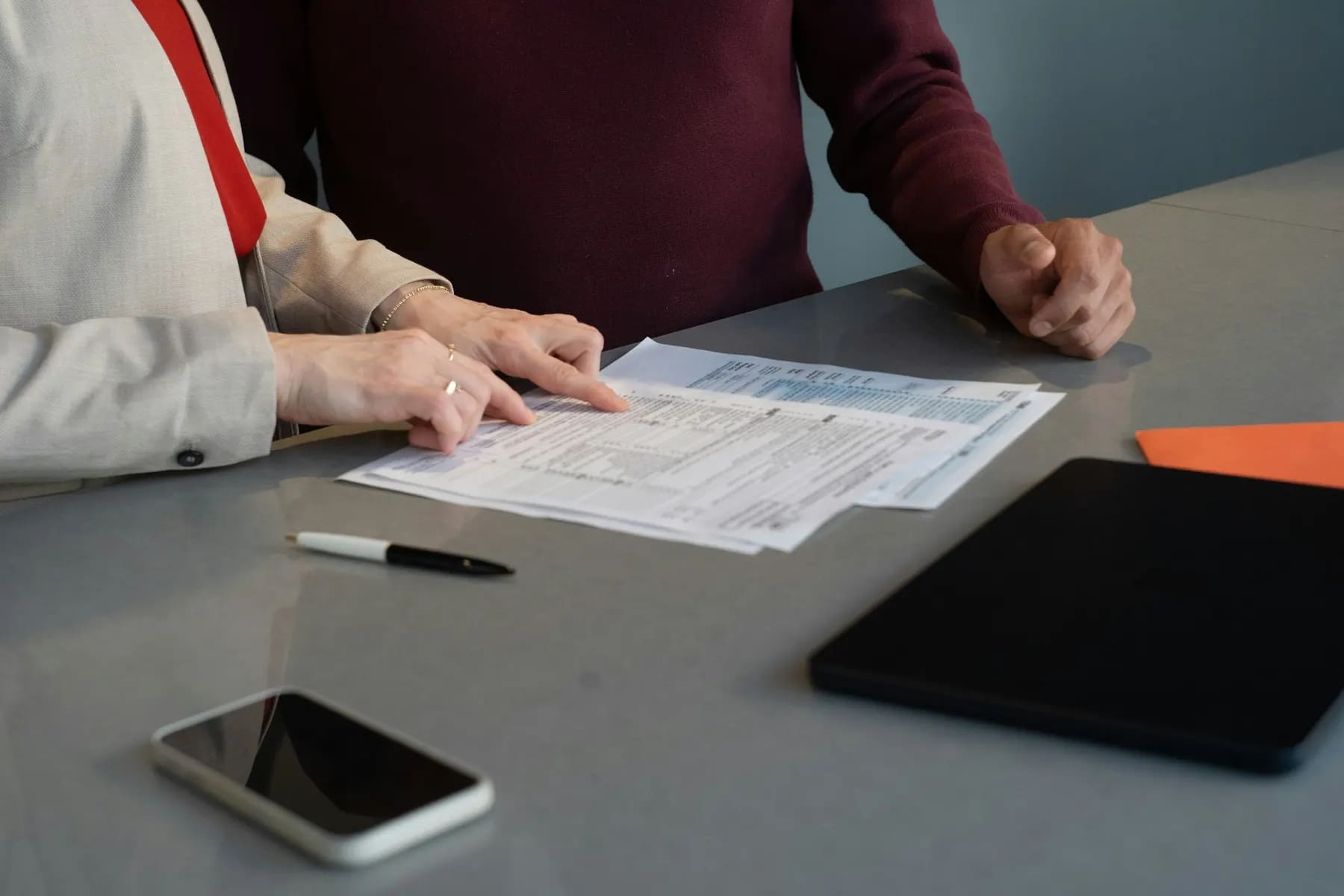
A mortgage on a resale apartment: what the bank checks in the property

A buyer gets mortgage pre-approval, finds a resale apartment, agrees a price with the seller - and two weeks later the bank says no. Not to the buyer, but to the apartment. This happens more often than you’d think, and it could almost always have been predicted. Let’s look at what a bank checks in an apartment it takes as collateral, where deals usually stumble, and what a realtor can do before the buyer spends time and money.
Why the bank looks at the apartment as closely as at the borrower
For the bank, a mortgaged apartment isn’t just the client’s purchase - it’s collateral. If the borrower stops paying, the bank must be able to take and sell that apartment legally. That is the logic behind the whole check: the apartment needs a clear owner, a clean history, consistent documents and a market value that covers the loan. Anything that puts even one of these conditions in doubt turns into a refusal or a long back-and-forth.
Requirements for the property differ between banks and programs: the same apartment can pass in one bank and get stuck in another. So everything below is a map of typical questions, not an exhaustive list. Always confirm the exact documents and conditions with the chosen bank on the day you apply. We covered the overall picture of mortgage programs in our article on mortgages in Uzbekistan.
Documents: what the bank will ask for
The bank starts with paperwork. From it, the bank establishes who the owner is, on what basis they own the apartment and whether there are any restrictions on the deal. Most refusals are born here, and most of these problems can be spotted before the first viewing.
Scroll the table sideways
| Document | What the bank checks | Where problems usually are |
|---|---|---|
| Title document | What the bank checksThe basis of ownership: a sale contract, gift, inheritance or privatisation | Where problems usually areChain of transfersA recent inheritance or gift means more questions |
| Cadastral data | What the bank checksAddress, area, layout and the registered owner | Where problems usually areDiscrepanciesThe area or layout doesn’t match reality |
| Information on restrictions | What the bank checksWhether there’s a ban, an arrest or an existing pledge | Where problems usually areAn old pledgeThe seller’s loan isn’t closed or the pledge hasn’t been lifted |
| Spouse’s consent | What the bank checksIf the apartment was acquired during marriage - the other spouse’s consent to the sale | Where problems usually areDivorce, no contactConsent is hard to get and the deal stalls |
| Registered residents | What the bank checksWho is registered in the apartment and whether they deregister before or after the deal | Where problems usually areMinorsAdditional permissions and time are needed |
The list is indicative: the package depends on the bank, the program and the apartment’s history. Check it with the bank before the buyer pays a deposit.
A realtor who asks the seller for these documents before the first viewing with a mortgage buyer saves everyone weeks. If anything in the table raises a doubt, that’s a reason to clarify the details straight away, not after the bank returns the package with comments. Which documents a seller should prepare in advance is covered in a separate article on documents for a sale.

Valuation: why the valuer’s figure matters more than the contract price
The bank lends not against the price the buyer and seller agreed, but against the value confirmed by the valuer. If the valuation comes in below the deal price, the bank calculates the loan share from the smaller amount, and the buyer has to cover the difference with their own money. For a buyer who was counting on the minimum down payment, that often means the end of the deal.
The valuer relies on comparable apartments, so a heavily inflated price almost always surfaces at this stage. A simple way to reduce the risk is to check the price against the market in advance: against the median price per square metre of similar apartments in the district and how long they’ve been on sale. The city benchmark looks like this:
The city median is only a starting point: a specific apartment needs a breakdown by district, rooms and area. A benchmark based on comparable properties shows how far the asking price deviates from the market before the bank’s valuer even visits.
The apartment’s condition and alterations
The valuer doesn’t only calculate value - they also inspect the apartment. What interests them is whether what they see matches what’s written in the documents, and whether there’s anything that reduces the apartment’s worth as collateral.
- Unregistered alterations: removed walls, a kitchen merged with a room, relocated wet areas.
- The actual area differs from the documents - for example, because of an annexed balcony.
- The building or the apartment itself is in a dangerous or very worn condition.
- Basic utilities that the building type assumes are missing.
Alterations are the most common of these problems on Tashkent’s resale market. The seller has lived with a merged kitchen for years and doesn’t see it as a flaw, but for the bank it’s a mismatch between the documents and reality. Solutions vary - registering the alteration before the deal, restoring the original layout, choosing another bank or program - but all of them take time, and you need to know about it before the deposit.
People in the apartment: owners, spouses, registered residents
The bank needs to be sure that after the deal nobody is left in the apartment with rights that would stop it from dealing with the collateral. That’s why questions about who owns the apartment and who is registered there are almost always asked.
- All owners must take part in the deal in person or through a representative with a power of attorney.
- If the apartment was bought during marriage, the other spouse’s consent is usually required.
- Registered residents must deregister by an agreed date - it’s worth fixing this in the contract.
- If minors are among the owners or registered residents, the process becomes noticeably more complex.
A realtor can ask the seller all of these questions at the first meeting. If the answers are awkward, it’s better to tell the mortgage buyer honestly that this apartment will take longer than others.
The route of a resale mortgage deal
The sequence of steps is similar across banks. The main thing is not to mix up the order: check the property before the buyer pays a deposit, not after.
A mortgage deal on the resale market
Typical sequence, without timelines
Pre-approvalBefore the search
The bank assesses the borrower and names a limit - the property is searched for within it.
Choosing the apartmentSearch
The realtor asks the seller early about documents, registered residents and alterations.
Property packageOnce the price is agreed
Title documents, cadastral data and certificates go to the bank for checking.
ValuationIn parallel
The valuer inspects the apartment and prepares a report for the bank.
Property approvalAfter the check
The bank confirms it accepts the apartment as collateral and names the loan amount.
Deal and registrationFinish
The contract, registration of the title and the pledge, payment to the seller under the bank’s scheme.
How to formalise a deposit and what happens if the deal falls through because of the bank is covered in our article on deposits. For a mortgage deal, it’s useful to state separately in the deposit agreement what happens if the bank refuses to approve the property.
What a realtor does so the bank doesn’t refuse
A mortgage buyer chooses not only an apartment but also a realtor who will guide them through the bank. The realtor’s value here is predictability: they see the problem before the bank does.
- Before the viewing, asks the seller about documents, marriage, registered residents and alterations.
- Checks the price against the market so the valuation doesn’t come in below the agreed amount.
- Helps assemble the property package and answers the bank’s questions without waiting for reminders.
- Coordinates the timelines of the seller, the bank and the buyer: deregistration, registration, payment.
The last point is easier to manage on a deal card with stages and reminders than in memory and chats. Then you can see which step the deal is at, who is waiting for what and which date comes next.
The live figure is the median asking price per m² for apartments for sale in the Titul mirror; these are listing prices, not transaction prices. The lists of documents and checks are typical rather than exhaustive: confirm a specific bank’s conditions with the bank itself.