Instagram and Telegram for a realtor without burnout: a few hours a week
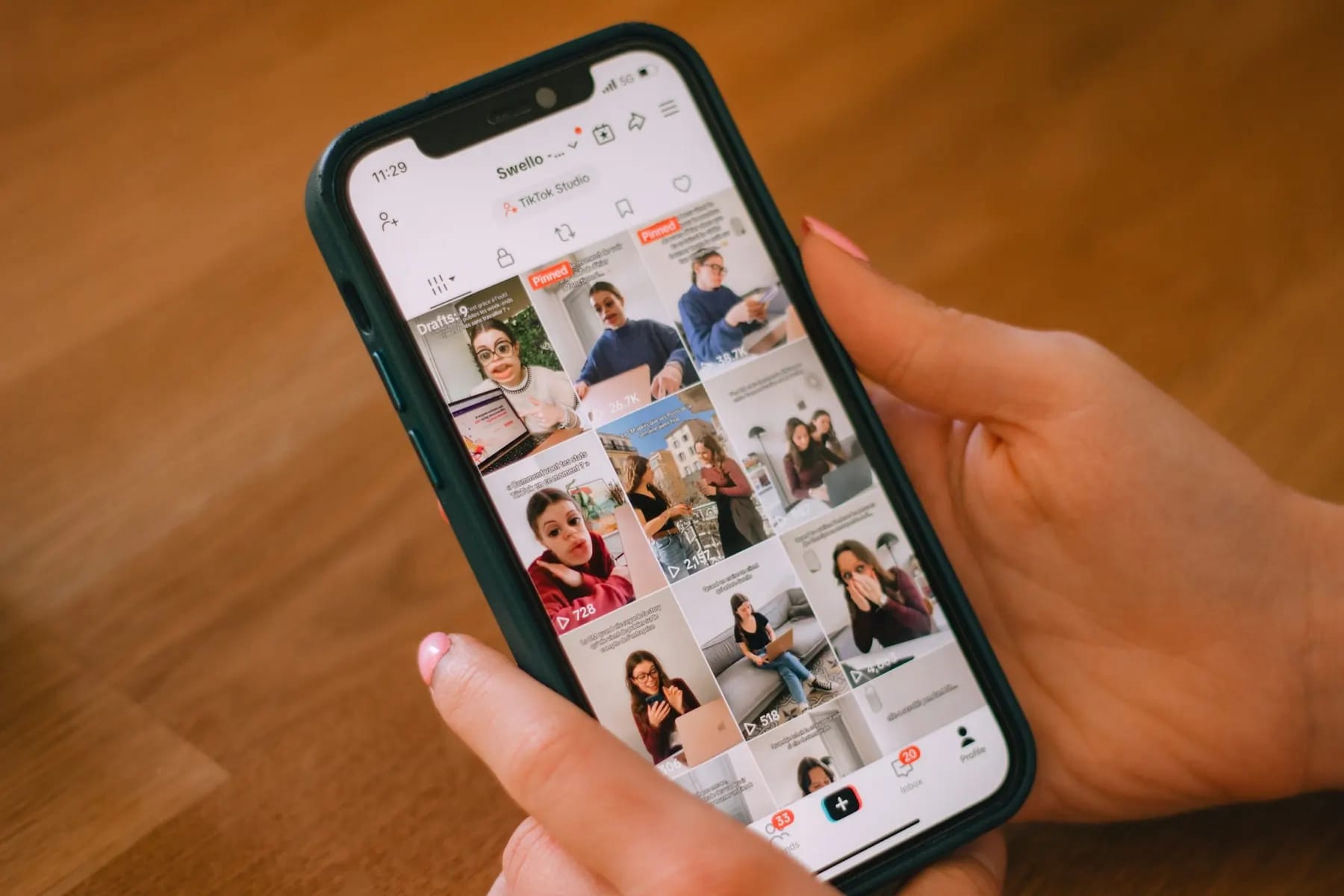
Realtors are told: “you need Instagram”, “start a Telegram channel”, “post reels every day”. For the first two weeks it all goes with a swing, then come viewings, deals, fatigue - and the account goes quiet for six months. When the realtor comes back, it feels like starting from zero. The problem isn’t laziness or lack of talent but running social media as yet another job with no system. Let’s look at how a realtor can run Instagram and Telegram so they bring in clients rather than burn you out.
Why a realtor needs social media
Before calling a realtor they don’t know, people almost always look them up online. They want to understand who they’ll be dealing with: does this person know the market, what do they do, can they be trusted? An account whose last post was a year ago answers that badly. A live account with clear properties and advice answers it well.
So the main job of a realtor’s social media isn’t reach or “becoming a blogger” but trust before the first call. Clients come by recommendation, see a live account and call already prepared. This works even with few followers: what matters more is that among them are people in your city who will one day buy, sell or rent out an apartment.
Another reason is having a face and a voice. There are thousands of apartment listings, and they all look alike. A realtor the client has already seen in a short video, and whose calm market breakdown they’ve read in a channel, stops being a stranger. The first conversation with such a client starts not with distrust but with a question about the matter at hand.
Why realtors burn out on social media
- They post “when inspired” - and inspiration almost never comes after three viewings in a row.
- They chase reach and compare themselves with bloggers for whom it’s the main job.
- They invent every post from scratch: topic, text, design, posting time.
- They answer messages around the clock, and social media eats their personal time.
- They see no results because they don’t track which clients came from social media.
All of these are solved not by willpower but by a system. When it’s clear what to post, when to shoot and when to reply, social media takes a couple of hours a week rather than every evening. And a post scheduler lets you go on holiday or through a week of tough deals without abandoning the account: posts go out on their own.

Instagram and Telegram: different roles
A common mistake is posting the same thing everywhere. Different platforms have different audiences and different logic, and you can use that rather than fight it.
Scroll the table sideways
| Platform | What for | What to post | How often |
|---|---|---|---|
| What forFirst impressions and trust | What to postPhotos and videos of properties, short tips, the realtor’s face | How oftenSeveral times a week | |
| Telegram channel | What forRegular contact with people who already know you | What to postNew properties, market breakdowns, useful articles | How oftenSeveral times a week |
| Direct messages | What forA conversation with a specific client | What to postAnswers to questions, shortlists, arranging viewings | How oftenIn fixed windows |
The frequency is a guide for one realtor without assistants. Less often but regularly beats every day for two weeks followed by silence.
How to organise work in Telegram so clients don’t get lost in chats is covered in detail in our article on Telegram for realtors.
What to post: five themes
To avoid inventing topics every day, five recurring themes are enough. Each one does its own job and is easily filled from a realtor’s everyday work.
- Properties: good photos, key facts and the price - as in a strong listing.
- Tips: short answers to the questions clients ask most often.
- The market: what’s happening with prices and time to sell in your district - no forecasts or big words.
- Deal stories: how a tricky situation was solved - without names or details that identify the client.
- Behind the scenes: viewings, the office, preparing apartments - what shows you as a real person.
It helps to tie themes to days of the week. For example: Monday - a new property, Tuesday - a tip, Wednesday - a short breakdown of the district market, Thursday - a deal story, Friday - behind the scenes. You don’t need to keep this rhythm in your head: you know in advance what you’re posting tomorrow, and the material for it gathers in the course of ordinary work.
A separate word on personal data: don’t publish clients’ faces, names or documents without their consent, or an owner’s apartment address without permission. How to shoot properties for posts is in our article on smartphone photos, and how to write listing text in our article on a listing that gets calls.
A system instead of inspiration
Inspiration is an unreliable engine for work that has to be done every week. A simple system that turns social media into a regular couple-of-hours task is more reliable.
A realtor’s social media in a couple of hours a week
A routine without daily struggle
A monthly planOne evening
Themes by day of the week: a property, a tip, the market, a story, behind the scenes.
Batch shootingOnce a week
Photos and short videos for several posts at once - at viewings and in the office.
TemplatesOnce
Covers, captions and post structure - so you don’t design every post from scratch.
Scheduled postingOnce a week
A week’s posts go into a scheduler in an hour.
Reply windowsEvery day
Two or three fixed times when you answer messages and comments.
Batch shooting saves the most effort. At one viewing you can shoot material for a property post, a tip and a behind-the-scenes post. And a property card with good photos is already in the system - it only needs repackaging into a post, with a couple of lively lines of your own.
From follower to client
Social media only works if it’s easy for a follower to become a client. That needs a clear next step and a quick reply.
- In your profile - a link to a page with your properties, not just a phone number.
- On every post - a clear call to action: “message me for a shortlist”, “book a viewing”.
- Tagged links, so you know which clients came from Instagram and which from Telegram.
- A reply to messages within the working day, not a week later.
A good target for the profile link is a property storefront, where a follower can browse options themselves and leave a request. And a post with a property for your Telegram channel or stories is easy to put together with the Send button: the photos you pick and text from your template go to Telegram or Instagram through Share.
Once a month it’s worth looking at simple numbers: how many enquiries came from Instagram, how many from Telegram, and how many of them reached a viewing. There’s no need to count likes and reach - it’s enough to know whether social media brings in clients. If a platform hasn’t produced a single enquiry in several months, that’s a reason to change your approach or move your effort to where there’s a response.
What not to do
- Buy followers: the number grows, but leads don’t, and real clients notice.
- Post other people’s property photos and pass them off as your own.
- Promise prices and selling times you can’t guarantee.
- Argue with unhappy people in the comments - reply briefly and move the conversation to messages.
- Copy someone else’s style: clients choose a person, not a pretty feed.
And finally: don’t expect quick results. A realtor’s social media works cumulatively - the first enquiries often arrive after several months of regular work, once the account has a history. Someone who keeps a modest but steady rhythm for six months usually gets more clients than someone who posts every day for a month and then disappears.
These tips sum up the practice of realtors who run their social media themselves, without a team. Posting frequency is a guide; choose a rhythm you can keep up for months.