Viewing an apartment before buying: a 30-minute checklist
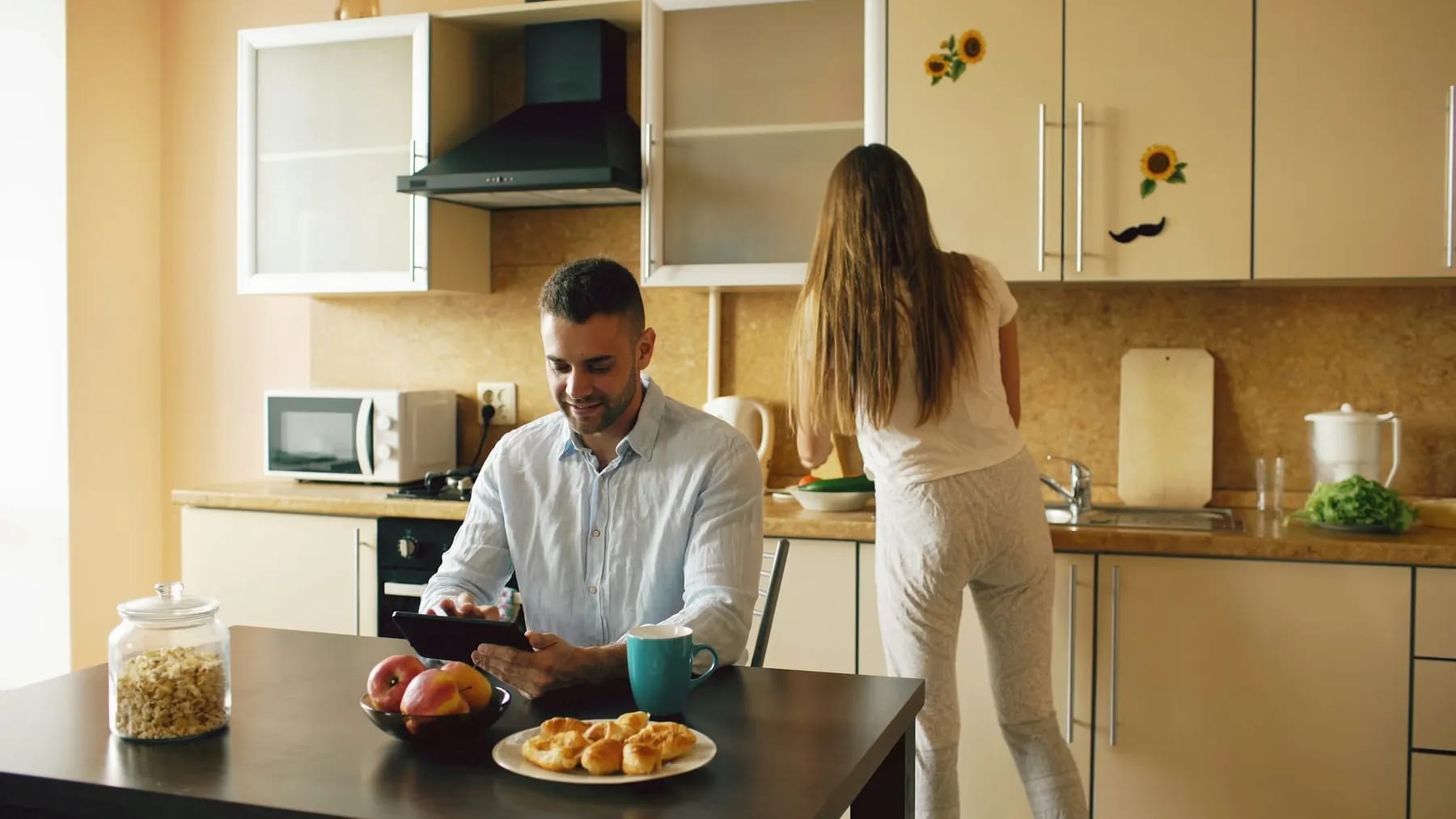
At a viewing, a buyer usually looks at the renovation and the view, and a month after buying finds out about weak water pressure, old wiring and a neighbour with a hammer drill. Almost all of it can be seen in half an hour if you know where to look and go in order. Below is a checklist for viewing an apartment before you buy: a thirty-minute route, what to check in each area and which questions to ask the seller.
When to go and what to bring
The first viewing should be in daylight: that’s when cracks, stains and the state of the windows show. If you like the apartment, make the second viewing on a weekday evening. In the evening you hear the neighbours and the road, and you see how the courtyard is lit and whether there’s anywhere to park. An apartment you like twice, at different times, you’ll still like a year later.
- A charged phone: photos, a torch, checking sockets with a charger.
- A tape measure: kitchen and room sizes for your furniture.
- A list of questions for the seller - on paper or in your notes, so you don’t forget mid-conversation.
- A second person: while one talks to the seller, the other looks around calmly.
Before choosing an apartment, choose the district: the commute to work and school, noise, parking. We covered how to do that in one day in the article on Tashkent districts.
If the seller’s realtor is showing it
The seller’s realtor works for the seller, and that’s normal: their job is to show the apartment at its best. They don’t have to volunteer the flaws, but a professional answers direct questions honestly. Ask specific questions and ask to be shown: the fuse box, the pipes under the sink, the corner behind the wardrobe. If you have your own realtor, ask them to walk the route with you and put questions to the seller while you look at the apartment.
A 30-minute viewing route
Viewing in order - from outside in, from general to specific - stops you missing something important. The seller will steer you to the apartment’s best spots, and that’s normal. Your job is to walk the whole route, including the places you weren’t invited to.
Viewing an apartment before buying
A 30-minute route from the courtyard to questions for the seller
Courtyard and the building outside0-5 min
Facade, cracks, the roof above the top floor, parking, the playground, the bins.
Entrance and lift5-8 min
A smell of damp or sewage, the state of the stairs, whether the lift works, the intercom.
Hallway and fuse box8-11 min
The front door and locks, the fuse box: breakers, labels, no twisted joints or scorch marks.
Kitchen11-16 min
Gas and cooker, extractor hood, sockets by the worktop, sink and water pressure, stains under the sink.
Bathroom16-21 min
Hot and cold water pressure, drainage, tile joints, signs of leaks, ventilation.
Rooms, windows, balcony21-27 min
Corners and ceilings, open and close the windows, heating, street noise, the view, the balcony.
Questions for the seller27-30 min
Why they’re selling, owners, registered residents, debts, alterations, what stays.
The building, entrance and courtyard
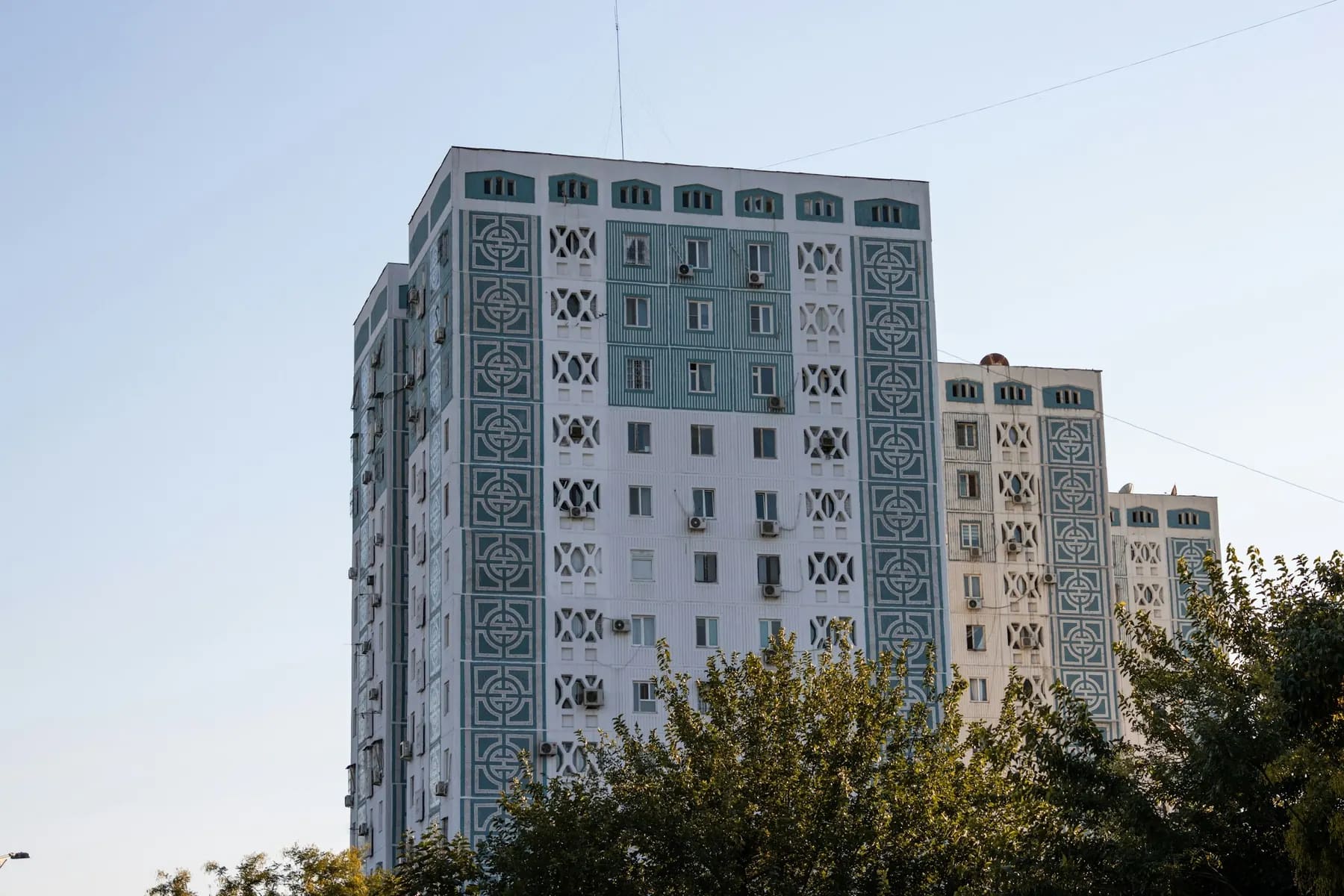
You can renovate an apartment, but not a building. So spend the first five minutes on what you won’t be able to change after buying.
- Cracks in the facade, especially diagonal ones and near windows, are a reason to ask about the building’s condition.
- The entrance: a smell of damp or sewage usually points to problems in the basement.
- The lift: does it work, how often does it break - ask the neighbours, not the seller.
- The roof: on the top floor, look for leak marks on the ceiling and in the corners.
- The courtyard: the playground, parking, who parks where in the evening.
Building systems: what to check in each area
The most expensive surprises hide not in the renovation but in the pipes, wiring and windows. Only a specialist can check them fully, but a non-specialist can spot the warning signs.
Scroll the table sideways
| Area | What to check | Warning sign |
|---|---|---|
| Water | What to checkTurn on the kitchen and bathroom taps at the same time, hot and cold | Warning signWeak pressure, rusty water, hot water slow to arrive |
| Drainage | What to checkDrain water in the sink, bath and toilet | Warning signSlow drainage, gurgling, a smell from the pipes |
| Electrics | What to checkThe fuse box, sockets in every room, lights | Warning signOld fuses, twisted joints, sparking or hot sockets |
| Gas | What to checkCooker, water heater or boiler, kitchen ventilation | Warning signA smell of gas, DIY connections, blocked ventilation |
| Heating | What to checkRadiators, pipes, who maintains the system and how | Warning signRust, leak marks, rooms without radiators |
| Windows | What to checkOpen and close every window, look at the reveals | Warning signDraughts, won’t close, condensation and mould on the reveals |
| Damp | What to checkRoom corners, the ceiling, behind wardrobes, under sinks | Warning signStains, mould, peeling wallpaper, one freshly painted corner |
The table is a practical checklist, not a technical report. Gas equipment, wiring and the building structure are assessed by specialists.
What deserves special attention
One freshly painted corner or patch of ceiling in an apartment without a full renovation almost always hides something: a leak, mould, a crack. Furniture pushed tight against a wall is a reason to politely ask for it to be moved. And a smell of gas is a reason to stop the viewing and tell the seller, not to “check later”.
Layout, noise and neighbours
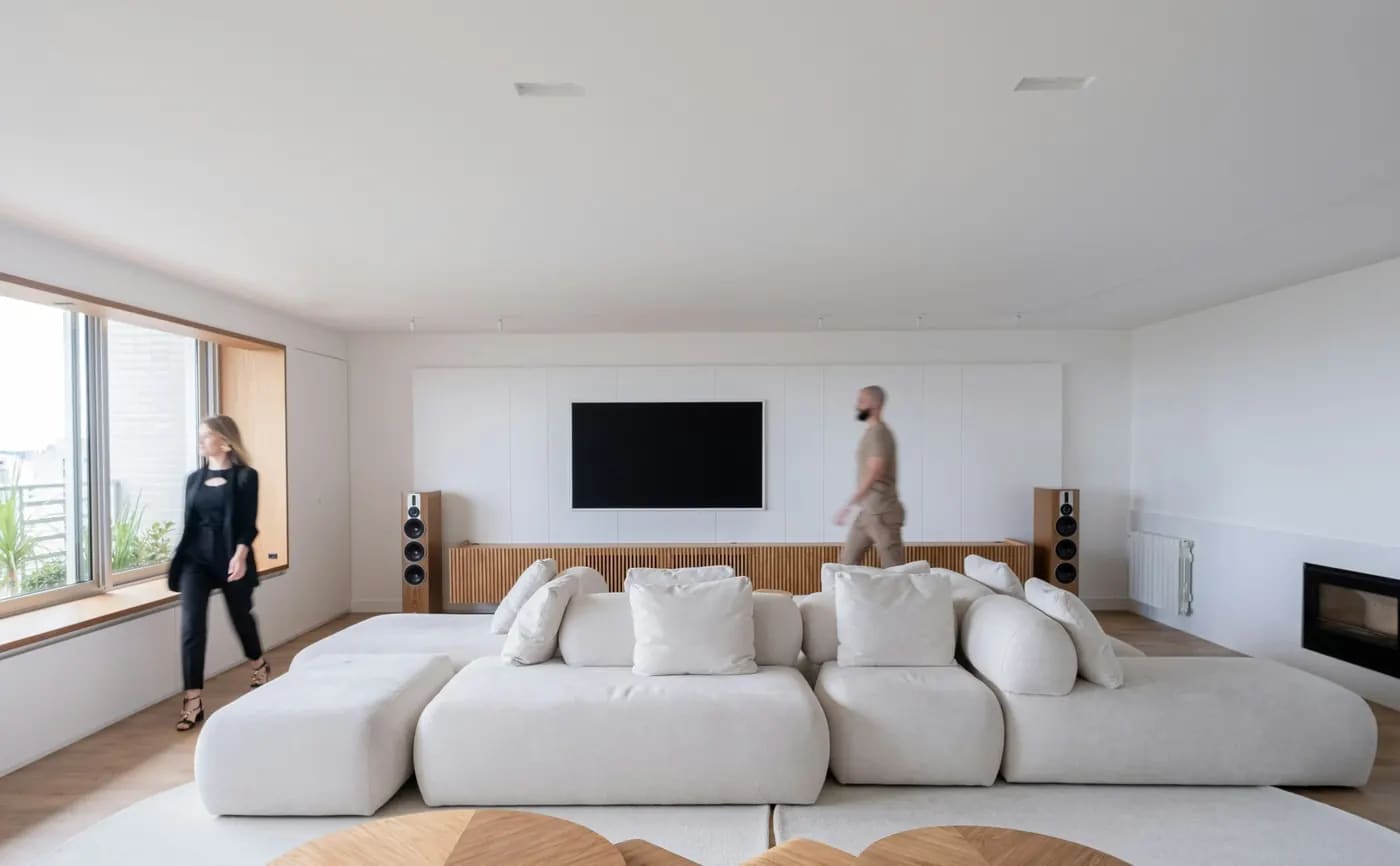
- Layout: walk-through rooms, the kitchen size, room for wardrobes and a washing machine.
- Alterations: if walls have clearly been moved, ask whether this is registered in the documents.
- Noise: close the windows and stand in silence for a minute - can you hear neighbours, the lift, the road.
- Neighbours: who lives behind the wall and above you - better to ask the neighbours or the concierge.
- View and sun: which way the windows face, whether it will be hot in summer, whether a building could go up in front.
New build: what else to look at
In an apartment in a new building, no renovation hides the bad or the good yet, so you look at different things. First - whether the building is completed and the utilities are connected: water, electricity, gas, heating, lifts. Then - the quality of the shell itself.
- Walls and ceilings: how even they are, cracks, leak marks from the floors above.
- Windows: do they open, no gaps or chips, how the reveals are finished.
- The floor screed and utility runs, if they are already included under the contract.
- Neighbours: in a new building renovations may go on for a long time - ask how many apartments are already occupied.
- Documents: on what basis the apartment is being sold and when ownership can be registered.
We compared in detail how a new build differs from resale in risk and money in the article on choosing between a new build and resale.
Questions for the seller
The seller’s answers matter as much as the apartment’s condition: they show how clean the deal will be. Ask calmly, without an interrogation, and write the answers down.
- Why are you selling, and how quickly can you go to a deal?
- How many owners are there, and do they all agree to the sale?
- Who is registered at the apartment and when will they deregister?
- Are there any utility debts?
- Were there any alterations, and are they registered?
- What stays in the apartment: furniture, appliances, air conditioners?
- When will the apartment be vacated?
Two more questions are better checked yourself than asked: how long the apartment has been for sale and whether its price has changed. Realtors see this in the property history: the date of the first listing, every price change, every listing of that apartment. An apartment that has been on sale for a long time and has already been cut is a good reason to bargain, not to hurry.
What to photograph and when to call a specialist
After three viewings the apartments blur together. Take photos for yourself of the fuse box, the meters, the windows, the bathroom, any damp or cracks, the view and the entrance. Add a separate photo of the document or listing with the price so you don’t mix them up later.
That same evening, write down your impressions: what you liked, what bothered you, which questions went unanswered. A week later these notes will help you compare apartments honestly, not by which one you saw last.
- An electrician - if the wiring is old or you plan lots of appliances and air conditioners.
- A plumber - if the pressure is weak or there are signs of leaks.
- A builder or engineer - in an old building with cracks or if you doubt the alterations.
- A notary or lawyer - before the deposit, once you like the apartment and it’s time to check the documents.
What to do after the viewing - checking documents, the deposit, the contract and registration - is set out step by step in the step-by-step apartment buying plan.
The checklist is everyday viewing practice, not a technical survey or a legal check. The condition of gas equipment, wiring and structures is assessed by specialists, and the documents by a notary or lawyer.