A new-build apartment after handover: the paperwork step by step
The building has been delivered, the developer is inviting buyers to collect their keys - and it feels like everything is behind you. In fact another important stage begins: inspecting the apartment, signing the handover report, registering ownership, connecting utilities and only then renovation. Mistakes at this stage are costly: a report signed without comments leaves you without arguments in a dispute over defects, and delayed registration gets in the way of selling or mortgaging the apartment. Let’s go through what to do after a new-build is delivered, step by step.
What happens after the building is delivered
Delivery isn’t a single moment but a chain of events. First the building is commissioned: it was built to the design and people can live in it. Then the developer hands apartments over to buyers under a handover report. Only after that does the buyer register ownership of their apartment.
Time passes between these stages, and it’s worth using. While the apartment hasn’t been handed over yet, you can ask the developer which documents they’ll provide, when key handover starts and how the building will be managed. If the buyer is still choosing, it’s worth checking the developer first: how smoothly all the next steps go depends a lot on their diligence.
Inspecting the apartment: what to check
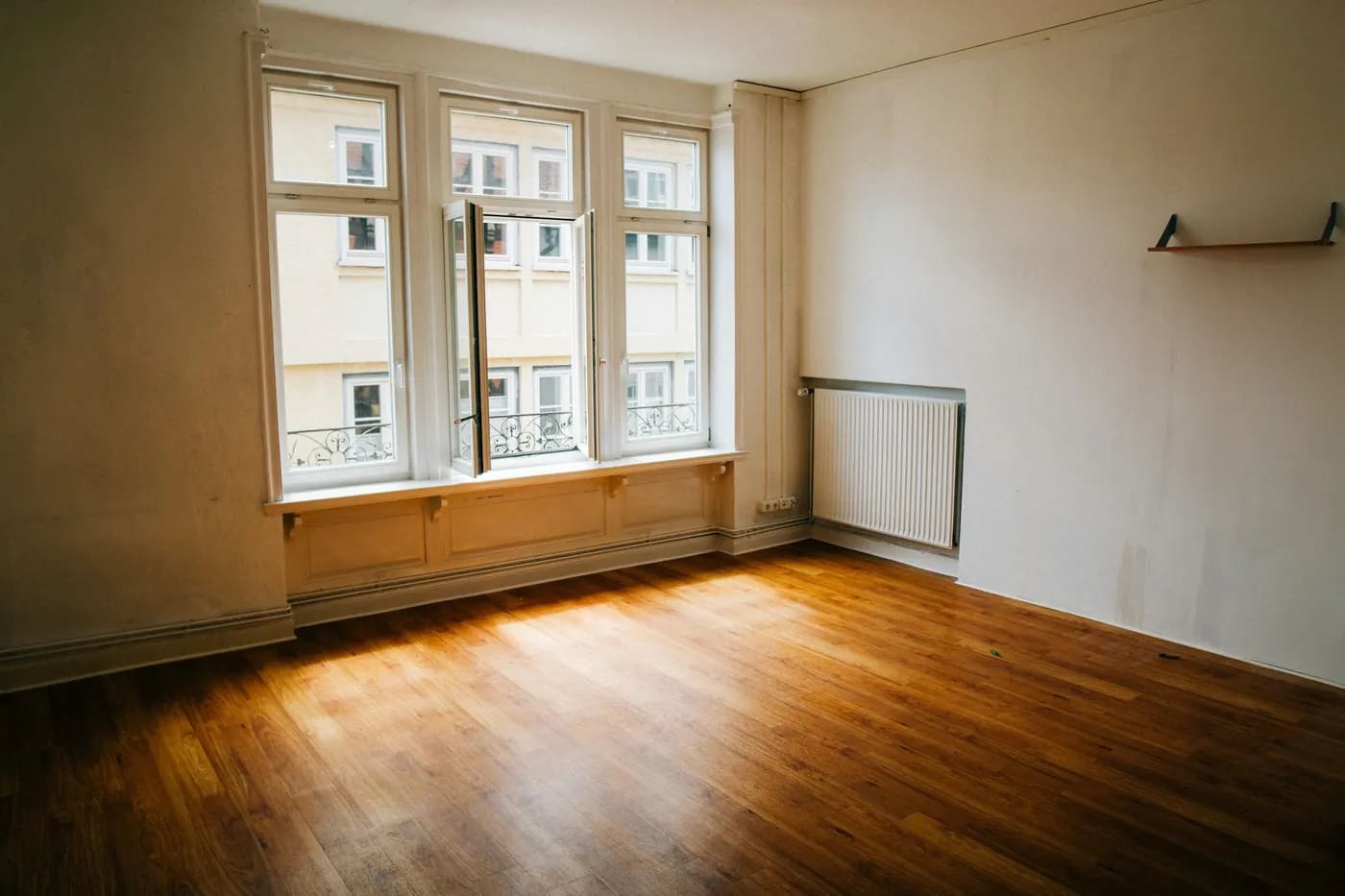
Inspecting the apartment before signing the report is your main chance to record defects while the developer is responsible for them. Come with time to spare, in daylight, with a torch, a tape measure and a charged phone for photos. If you’re unsure of yourself, bring someone who knows construction.
Scroll the table sideways
| What to check | How | If it’s not right |
|---|---|---|
| Area and layout | HowMeasure the rooms and compare with the contract | If it’s not rightRecord the discrepancy in the report |
| Windows and balcony door | HowOpen and close them, check the seals and glass | If it’s not rightChips and cracks go on the defect list |
| Walls, floor, ceiling | HowLook for cracks, uneven surfaces and signs of leaks | If it’s not rightPhotograph and note them in the report |
| Electrics | HowCheck the panel, sockets and switches if installed | If it’s not rightPoints that don’t work go on the list |
| Water, heating, gas | HowInspect pipes, risers, radiators and meters | If it’s not rightRecord readings and any leaks |
| Front door and keys | HowCheck the locks and the number of key sets | If it’s not rightNote it in the report |
The list isn’t exhaustive: what the apartment should include depends on the contract - turnkey finish, shell or pre-finish.
The usual way of inspecting a resale apartment largely applies here too - we described it in our apartment viewing checklist.
The handover report and defects
The handover report records that the apartment has been handed to the buyer and what state it’s in. The developer sometimes rushes things: “sign now, we’ll fix the small stuff later”. The difference between the two options is whether the buyer keeps any evidence.
Sign straight away
“We’ll fix the small stuff later”
- The report is signed without comments
- Defects are discussed verbally
- It’s hard to prove a crack was there at handover
- Repairs depend on the developer’s goodwill
Buyer’s position weak
Sign with comments
A defect list attached to the report
- Every flaw is recorded specifically, with its location
- Dated photos are attached to the list
- A deadline for the developer to fix the defects is stated
- A follow-up inspection after the fixes
Buyer’s position protected by a document
Signing the report with a list of comments is normal practice, not a conflict. A developer confident in its quality takes it calmly. What rights the buyer has if defects aren’t fixed depends on the contract and the law - check this with a lawyer before signing.
Registering ownership
Until ownership is registered, the buyer lives in the apartment but can’t fully dispose of it: sell it in the usual way, gift it or mortgage it with a bank. So don’t put off registration, even if renovation seems more urgent.
Registering ownership of a new-build apartment
The general order, without timelines
Documents from the developerAfter signing the report
The handover report, the contract, proof of full payment and the documents on the building’s commissioning.
Cadastral dataNext step
The apartment needs its cadastral details: address, area, layout.
Filing for registrationOnce the package is ready
An application to register ownership with the documents attached.
Document checkWaiting
The registering authority checks the documents; it’s best to resolve any comments straight away.
Ownership registeredFinish
An extract confirming ownership: from now on the apartment can be sold, gifted or mortgaged.
If the apartment was bought on a developer’s instalment plan, check that payment has been fully closed and that this is confirmed by a document: otherwise registration may get stuck. More on the instalment contract in our article on developer instalments.
After all these stages the owner should be left with a folder of documents that will be needed for a sale, a mortgage or a dispute with the developer. Put it together right away, while everything is to hand:
- The contract with the developer and all supplementary agreements.
- Proof of payment - for every instalment, if you bought on an instalment plan.
- The handover report with the defect list and photos.
- Documents on the defects being fixed and the follow-up inspection.
- The ownership extract and cadastral details.
Keep copies separately from the originals - scanned, for example. If you decide to sell the apartment a few years later, the buyer and their bank will ask for exactly these papers.
Utilities and building management
Once you have the keys, you need to work out who supplies electricity, gas and water to the apartment and how, and who is responsible for the building as a whole.
- Record all meter readings on handover day - in the report and in photos.
- Find out whether utility accounts have been opened for the apartment and in whose name.
- Check which organisation manages the building and how to contact it.
- Ask whom to report problems in shared areas to: lifts, entrance, roof.
- Keep the contacts of the developer’s warranty service.
- Ask the neighbours whether there’s a building group chat: that’s where problems and repairs are heard of first.
Renovation: what to get approved first
Renovating a new-build is a big topic of its own, but a few things need deciding before the builders arrive. Alterations, moving wet areas, merging a balcony with a room and changes to the facade usually need approval. Done without it, problems surface later - when selling, or when arranging a mortgage on this apartment and the bank compares the documents with reality.
A good rule: anything involving load-bearing walls, building systems or the building’s exterior - get it approved first, then do it. Finishing work inside the apartment - painting, floors, furniture - can start right away.
Before renovating, check the apartment against the report once more. If defects on the list haven’t been fixed, finishing work may hide them - and then they can no longer be disputed. Wait for the fixes and the follow-up inspection first, then start the work. If a leak or crack appears in the first months, photograph it and notify the developer in writing, not just by phone.
If the apartment was bought to resell
Some new-build buyers plan to sell the apartment after the building is delivered. It’s important to understand that a sale before ownership is registered and one after are formalised differently, and the second is usually simpler for the buyer and the bank. Check the specific way to formalise a deal before registration with a notary.
For a sale it also matters how the apartment looks against its neighbours: in a newly delivered building dozens of similar apartments go on sale at once. A benchmark based on comparable properties helps set a price at which the apartment doesn’t get lost among competitors, and the deal stages and deadlines are easy to keep on a deal card. What to prepare for a sale in advance is described in our article on documents for a sale.
This article describes the general order of a buyer’s actions after a new-build is delivered and isn’t legal advice. Timelines and documents differ between developers and projects.